
Becoming A Horseman
Becoming A Horseman
Becoming a Horseman
Becoming a horseman begins long before we ask a horse to respond to us.
When communicating with and educating a horse, every movement matters. Our body language, timing, energy, balance, coordination, voice, and reactions all influence how the horse understands what we are asking. Often, we have only a split second to reward the correct response or redirect an incorrect one. Clear, consistent communication allows the horse to both see and mentally understand the answers we are trying to teach.
Before we can successfully educate a horse, we must first educate ourselves.
I was reminded of this lesson during my teenage years when I was introduced to the sport of fencing. Like many young people, I arrived full of confidence and enthusiasm. I expected that on my very first day the coach would hand me a sword and we would immediately begin fencing. After all, I had watched The Three Musketeers and imagined it would be just as exciting.
I couldn't have been more wrong.
For six months, my coach never placed a sword in my hands.
Instead, we learned balance, coordination, footwork, timing, discipline, and self-control. Every movement was practiced repeatedly until it became natural. The goal wasn't simply to learn how to use a sword—it was to develop the physical and mental abilities required to use it correctly.
Only after six months of preparation did my coach finally hand me my first sword.
When I held it, I wasn't the same young person who had walked into that gym months earlier. I had gained patience, discipline, confidence, and a deep respect for both the coach and the process of learning. I understood that success wasn't created by the equipment in my hand, but by the education that came before it.
Each new season, our coach welcomed approximately thirty students into the program. Six months later, only five remained. The training demanded commitment, patience, consistency, and a willingness to trust the learning process. Those who stayed discovered that true success wasn't found in shortcuts—it was earned through preparation.
When I compare that experience with modern horsemanship, I often feel disappointed.
Today, many people rush into the round pen, climb into the saddle, or immediately pick up the reins without first learning the methods that help a horse understand. Too often, the focus is placed on getting results instead of developing the communication and education that create those results. When frustration replaces understanding, stronger pressure, harsher corrections, and more force often follow, leaving the horse confused instead of educated.
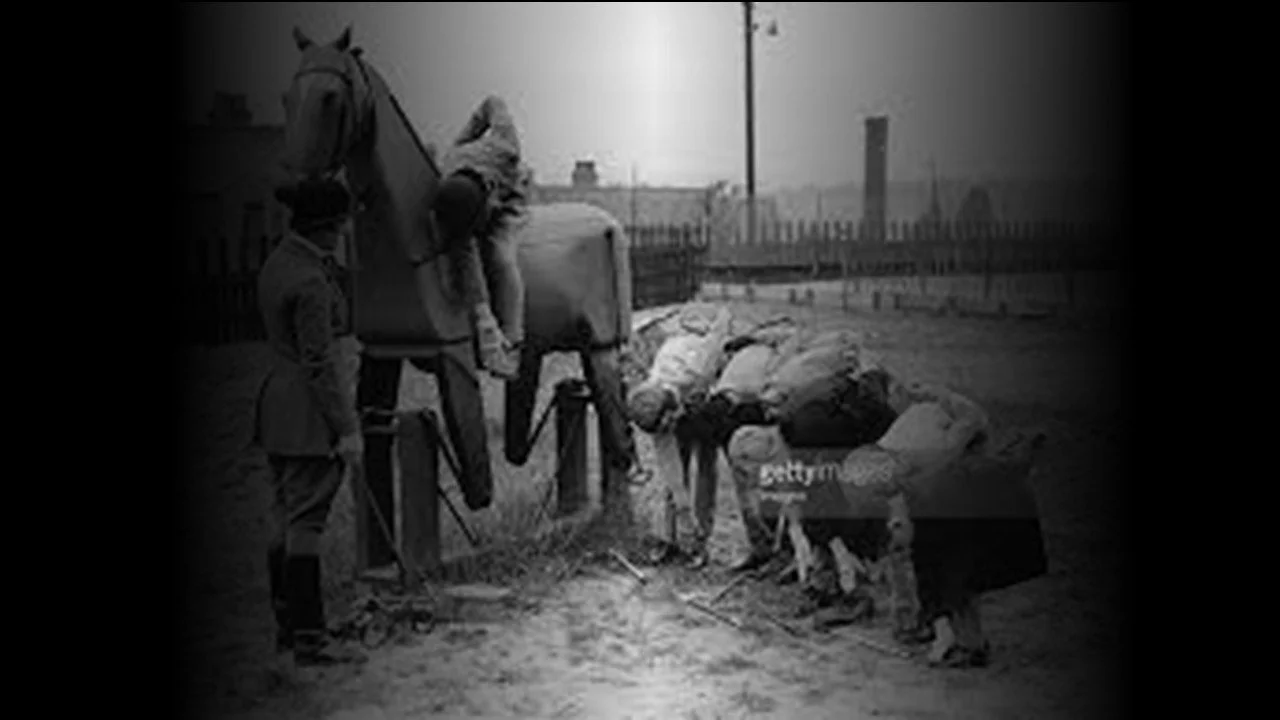
I often remind my students that a horse is not a practice dummy. A horse is a living, thinking partner with emotions, instincts, and remarkable athletic ability. It deserves an educator who has first taken the time to develop the knowledge, patience, and communication skills required to teach with fairness and clarity.
As horsemen and horsewomen, we must first learn to use our own tools correctly—our hands, our body language, our energy, our voice, our timing, and our reactions. We must develop coordination, consistency, and a clear plan before asking anything of our horses. Every lesson should have a purpose, and every method should lead the horse toward greater understanding, confidence, and willingness.
It has taken me a lifetime to develop my horsemanship methods, learning one lesson at a time through experience, observation, and continual study. Even today, I continue to learn and discover better ways to communicate with the horse. That journey never ends, and I believe that is what truly defines a horseman.
I invite you to continue your own journey through True Grit Academy, where I share the step-by-step educational methods, principles, and experiences that have shaped my philosophy of horsemanship. My hope is that they will help you develop not only a better horse, but become the horseman your horse deserves.