
ROUND PEN METHODOLOGY

I would like to begin by asking a few thought-provoking questions. First, why do we choose to initiate our education with a horse, whether it is wild or domesticated, in the round pen? Additionally, what makes the round pen such an essential tool in our training process? These important questions were constantly present in my mind when I first started to work with horses. Over the years, I have come to feel that I have discovered some valuable answers to these inquiries, and I firmly believe that I will continue to uncover even more insights as I progress through the years ahead.

Why do I refer to this important step in the training process as extended touch? It is because, at this crucial stage, the horse is not permitted to encroach upon our personal space just yet. During this time, the horse does not fully trust us, and conversely, we do not yet trust the horse either. This mutual need for space and respect is vital for building a solid foundation of trust that will be essential as we progress further in our training journey together.

I want to take a moment to share my exciting discovery of a simple yet effective and safe way to communicate with horses, which ultimately helps in building a strong, positive relationship between you and your equine companion. Beginning your journey in the round pen is absolutely key to creating a lasting bond with your horse.

In this fourth step, we aim to achieve our goals by guiding the horse to turn inside the round pen. This requires the horse to turn its head toward you, creating a clear line of communication. It's also crucial that the horse feels confident to move forward without discomfort or stress.

The next step in your training process is to teach your horse to turn away from you to both the left and right sides. This means you are essentially asking the horse to turn in such a way that its hindquarters are facing you while simultaneously moving in a new, specified direction. It is natural to wonder if it is unsafe to have the horse's hips and heels directed towards you during this exercise. Additionally, you might have heard from other experienced trainers that it is always advisable to work with the horse while it is facing you, rather than from behind, which can raise concerns about safety and control.
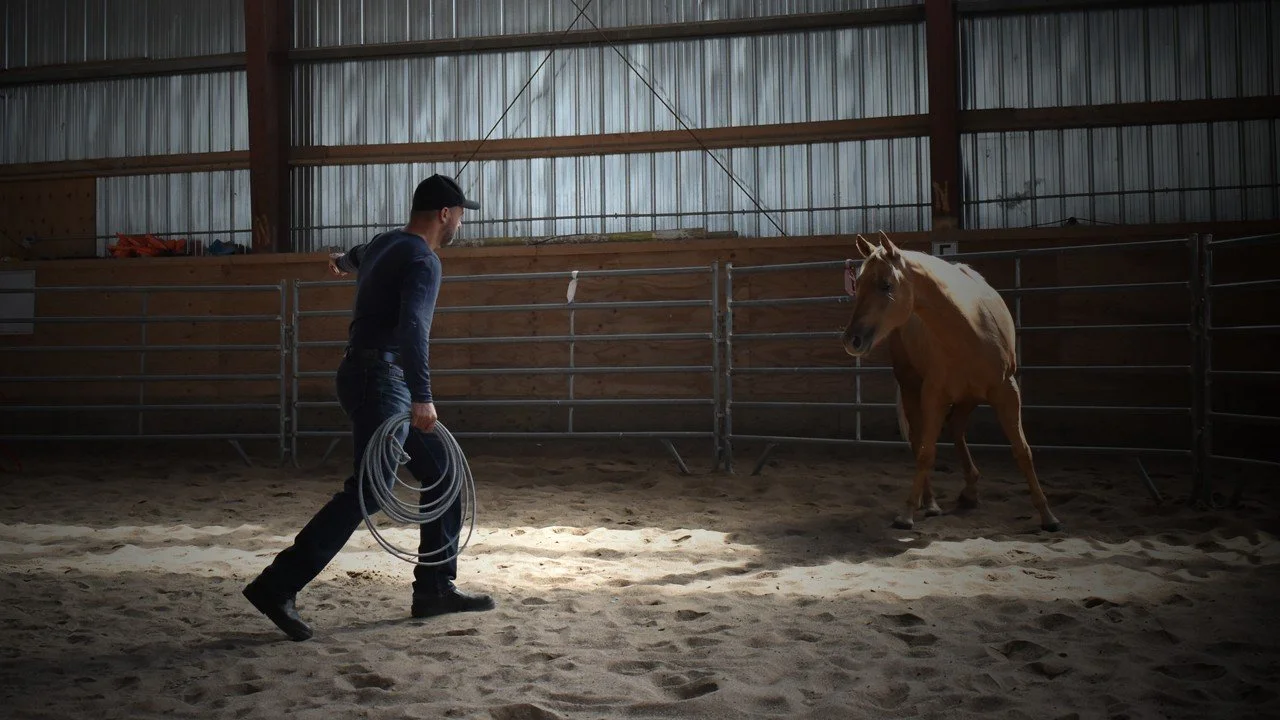
You may think that we have already completed this important step in the previous phases of our training, but what we have effectively accomplished is the completion of this step in isolation from each side of our horse. What we have actually done during this process is work on each side of the horse's brain individually, as we have focused on our various turns, addressing both the inside and outside maneuvers independently from one another. This ensures that each side is properly developed and responsive before we integrate them into a more cohesive training approach.
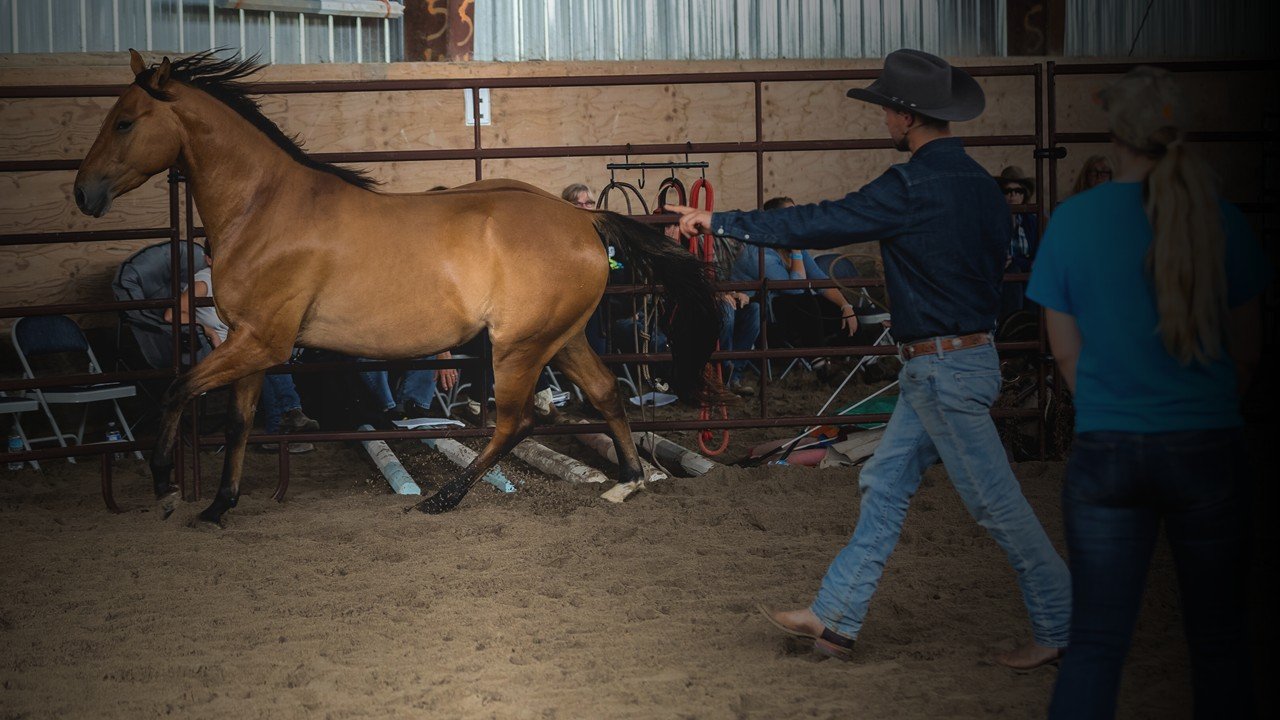
When I meticulously designed each step that I utilize in the round pen, I carefully considered the various problems that individuals commonly experience with their horses and how these specific steps may effectively resolve those issues. One prevalent challenge is when the horse does not travel at the desired speed that we expect. Often, the horse either moves too slowly, racing ahead too quickly, or may even resist movement altogether, showing reluctance to engage in the desired work.
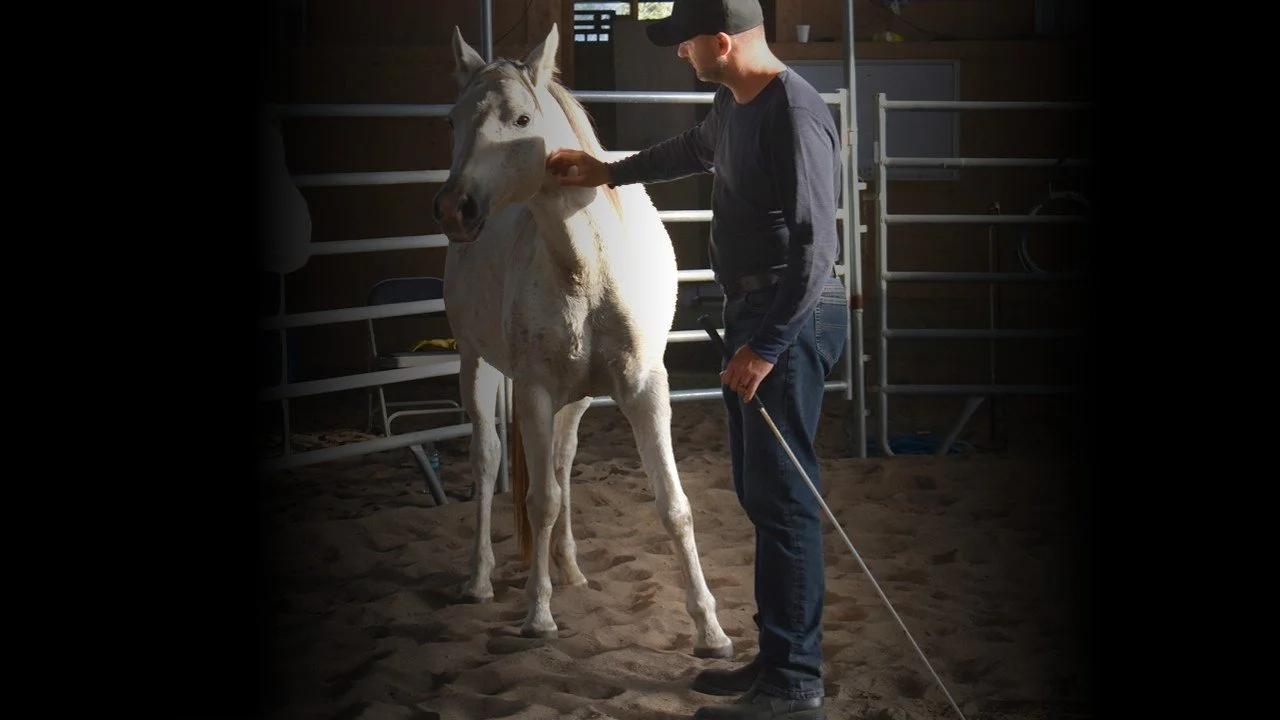
Step Eight - First Physical Touch with Hands on Both Sides up to Withers - Discover Horsemanship Philosophy and Methodology in the Round Pen
When a horse approaches you with curiosity but then quickly runs away as soon as you attempt to touch it, it clearly indicates a significant lack of trust between you and the animal. Consider the behavior of wild animals such as horses or deer; when you move towards them with the intention to touch or interact, they generally perceive you as a potential threat and will immediately flee because they do not have confidence in your intentions. Picture yourself in an open prairie, where a wild horse unexpectedly charges in your direction; your instinctive reaction would likely be to run away, driven by that same issue of trust that exists in the animal world.
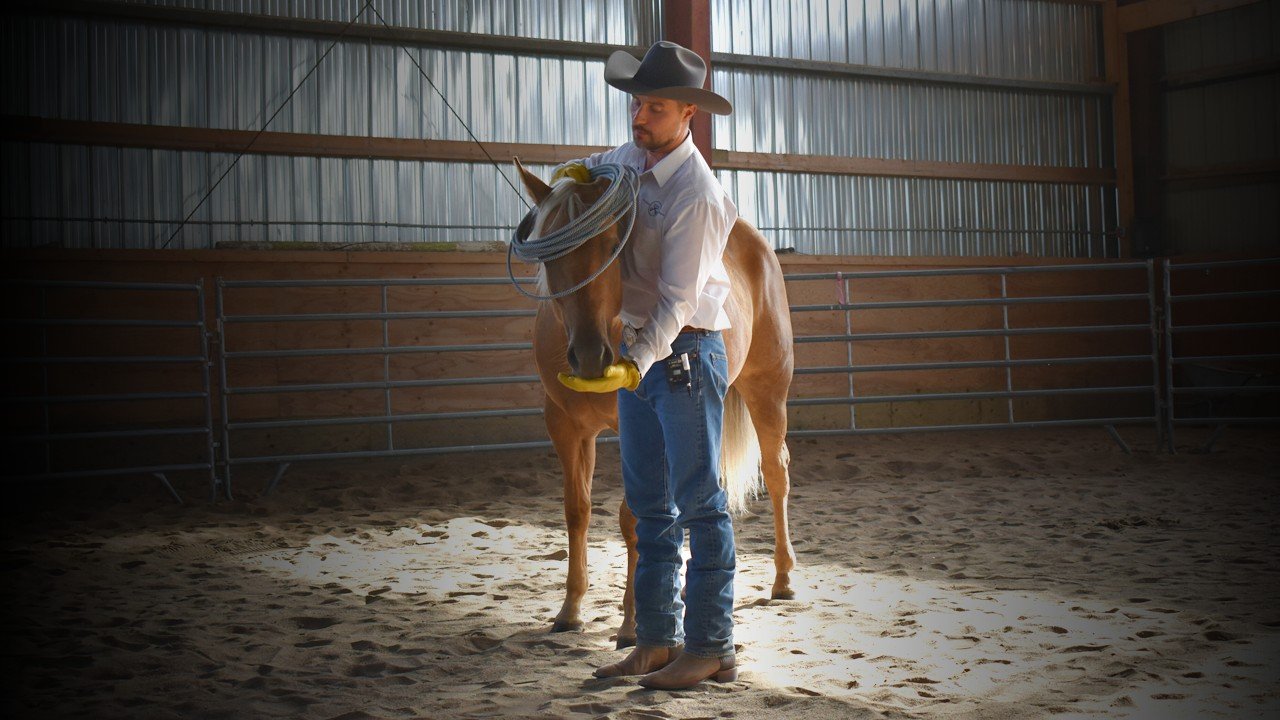
Step Nine - Build Confidence with Lariat on Both Sides up to the Withers - Discover Horsemanship Philosophy and Methodology in the Round Pen
You may think that this next step, which is step nine, is very similar to step eight; however, it is different in a significant way, as this step will also contribute to building the essential respect that we desire from the hind end of our horse. Once again, as I have previously mentioned, it is extremely important to thoroughly complete all of the previous steps in order to achieve success in this next step effectively.
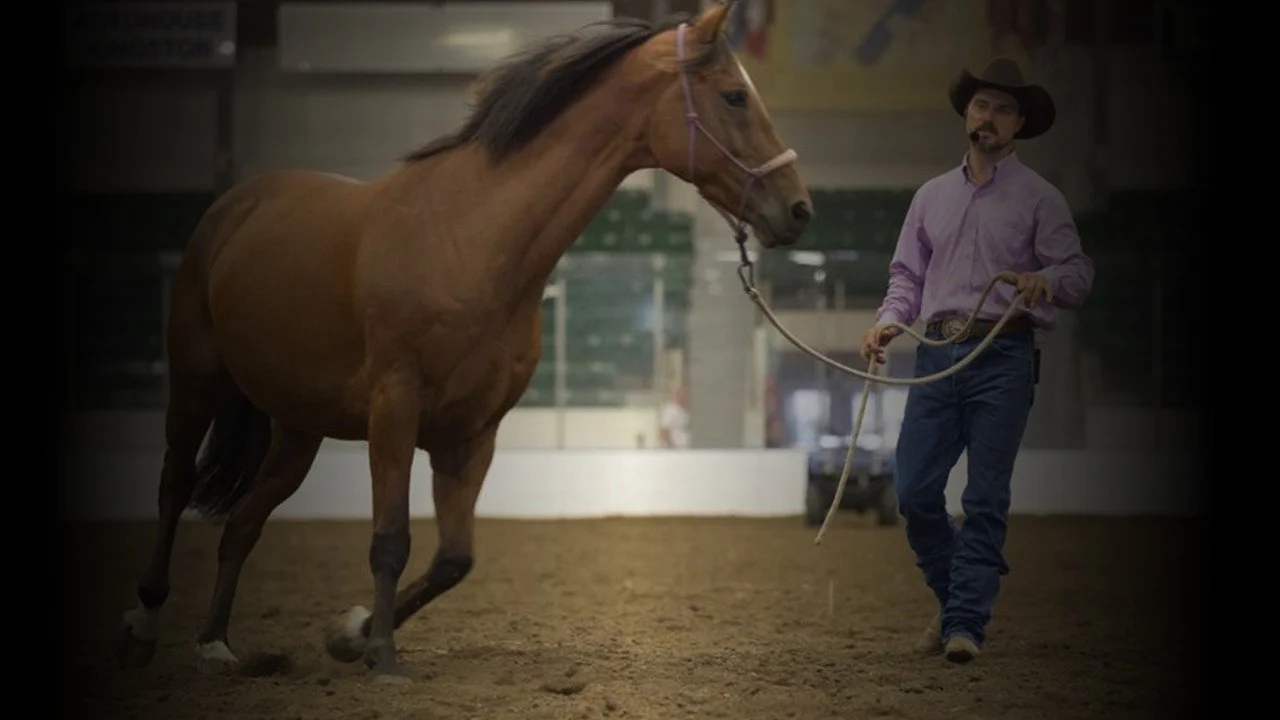
Step Ten - First Pressure from the Left and Right Direction - Discover Horsemanship Philosophy & Methodology in the Round Pen
Before I begin to explain our next step in the training process, I would like to take a moment to discuss how some horses have been started in the past, as well as how they may still be started in various ways these days. Understanding these methods can provide valuable context for our approach and highlight the evolution of horsemanship practices over time.
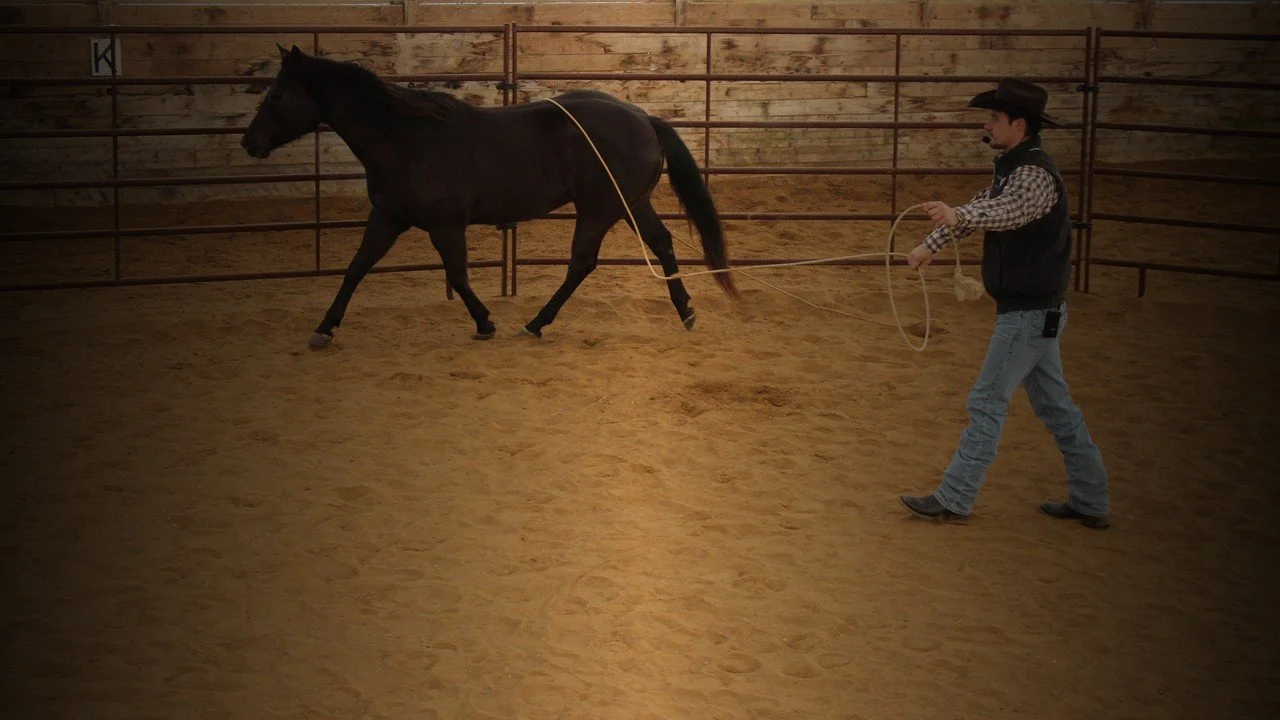
Step Eleven - Build Confidence to the Hind End with Lariat from the Left and Right Direction - Discover Horsemanship Philosophy & Methodology in the Round Pen
We all realize that unfortunate accidents can happen, and some of these accidents may not be preventable despite our best efforts. Additionally, it is important to acknowledge that we all learn valuable lessons from our own experiences and mistakes. I often find myself wishing that I could turn back time so that every horse could be thoroughly educated and trained to understand how to behave safely, particularly in the sensitive area of their hind end.
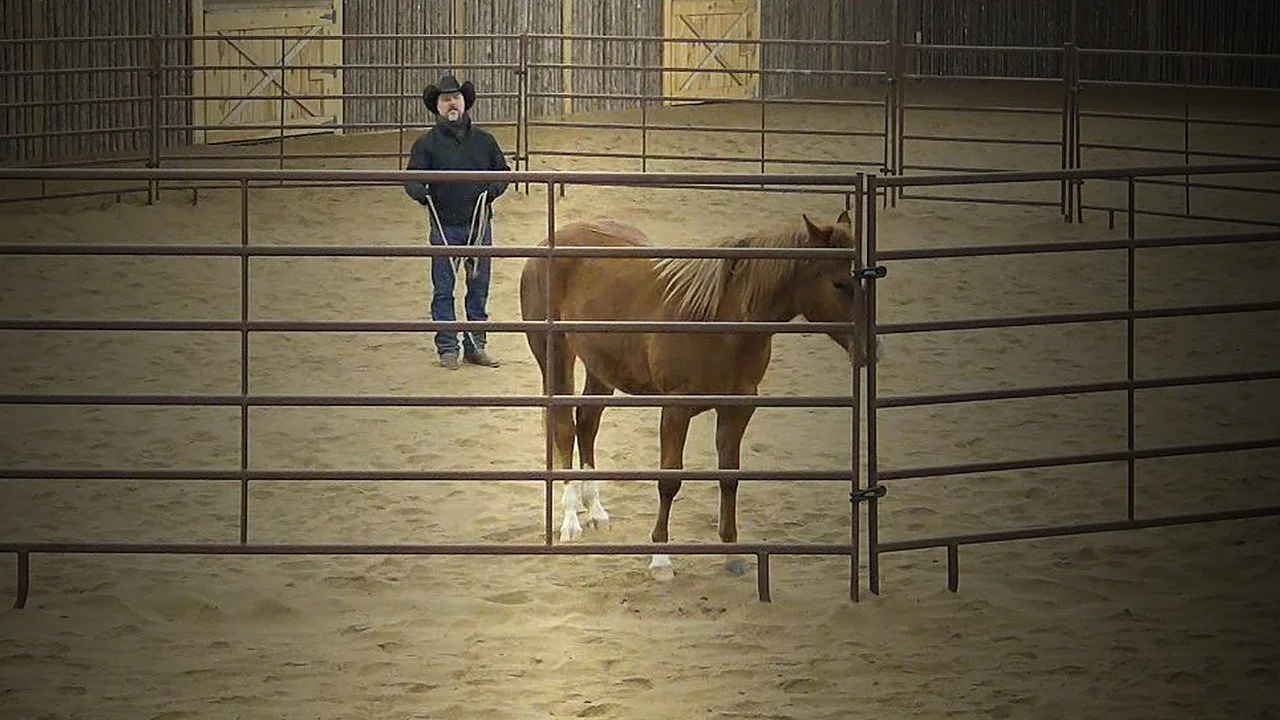
Step Twelve - First Pressure to the Hind End from Left and Right Directions - Discover Horsemanship Philosophy & Methodology in the Round Pen
This important skill not only enhances communication between you and your horse but also significantly increases your horse's safety in various situations that may arise. Additionally, I will elaborate on my belief that our hands are truly the most vital tools we possess in fostering trusting relationships and building confidence with our horses, which is essential for both training success and overall partnership.
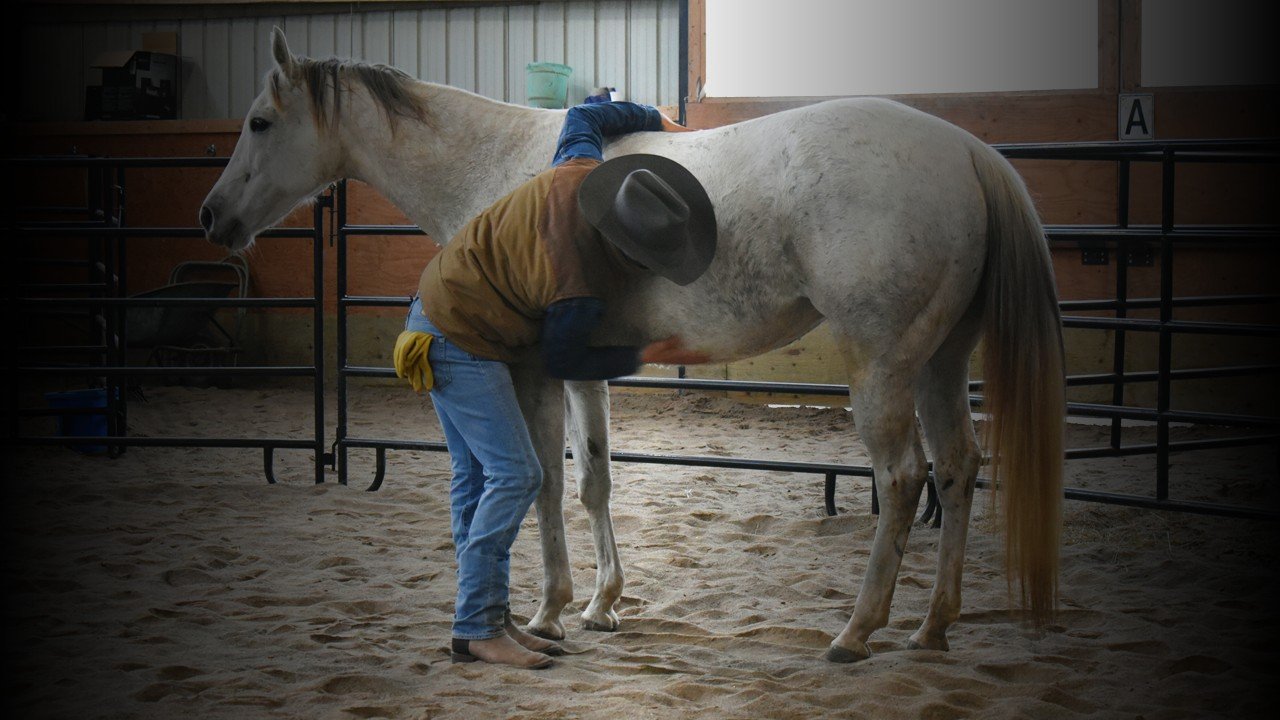
Step Thirteen - Whole Body Confidence and Trust Building with your Hands - Discover Horsemanship Philosophy & Methodology in the Round Pen
I am very excited to share with you my next step, number 13, titled “Whole Body Confidence and Trust Building with Your Hands.” I truly believe that a tremendous amount of philosophy, deep mystery, and, some might even say, a touch of magic occurs between the horse and the human during this significant step. To me, this next phase represents the very heart and soul of the communication that exists between me and my beloved horses.
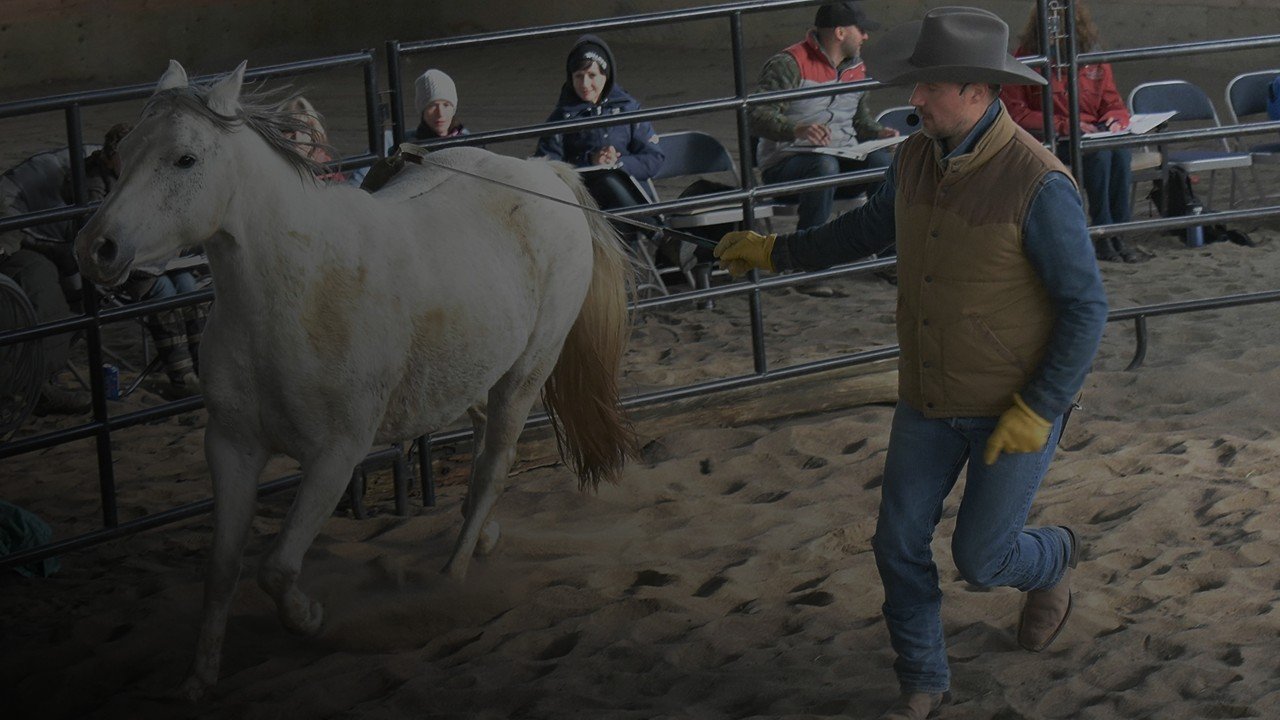
Step Fourteen - Teach Your Horse to Lead and Build Confidence with Flag and Bull Whip - Discover Horsemanship Philosophy & Methodology in the Round Pen
Throughout our horsemanship journey, we are consistently explaining the various steps to our horses and are not simply demanding the horse to respond to us in the ways we desire. It is crucial that we clearly communicate the specific goals we want to achieve in each step, allowing the horse to grasp our intentions effectively.
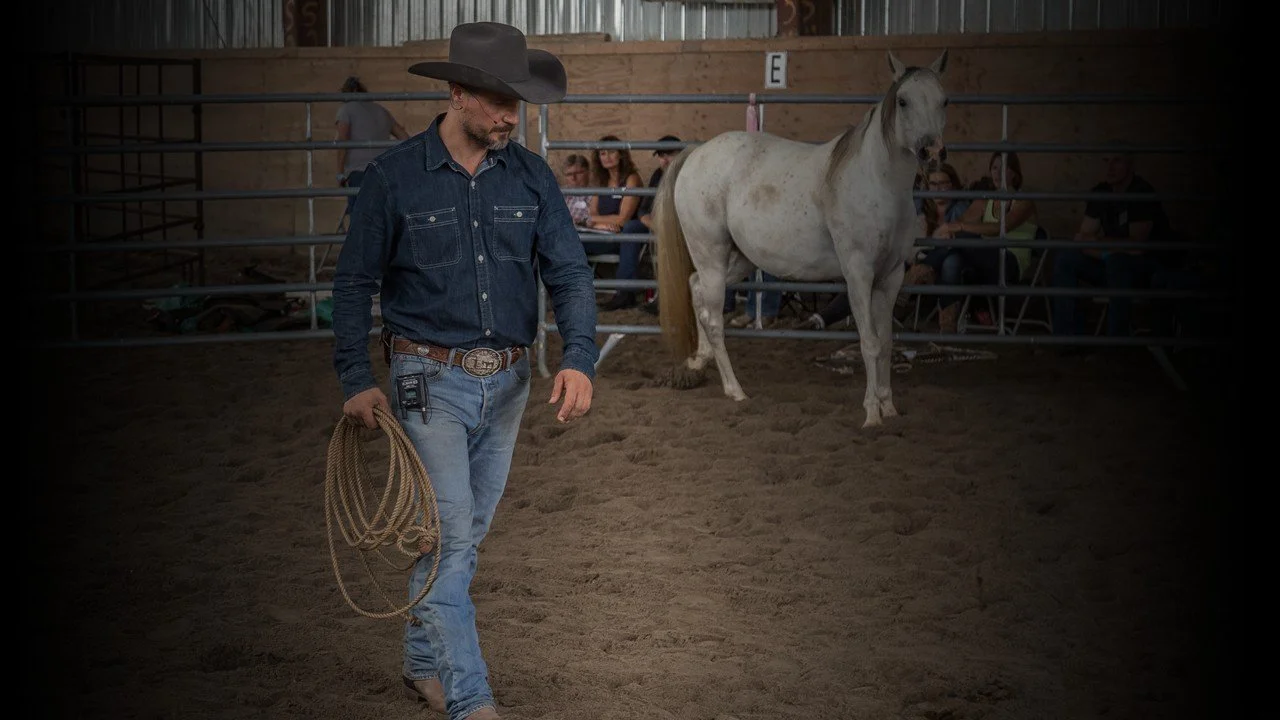
Step Fifteen - Teach the Horse to Move Different Body Parts Using Human Body Language - Discover Horsemanship Philosophy & Methodology in the Round Pen
We are now going to continue with our next important step, step fifteen, titled “Teach your horse to move different body parts using body language.” In this step, we will focus on enhancing communication by teaching our horse to respond to subtle cues, and we will do this exercise without the use of a halter, a rope, or a stick in our hands. This approach emphasizes the bond of trust and the connection we share with our horse, allowing for a more natural interaction.
Working with a horse in the round pen has become a standard in starting horses, as many great horsemen have also worked in the round pen and have paved the way for today’s horsemen to find better ways to communicate with the horse, I take my hat off to them!